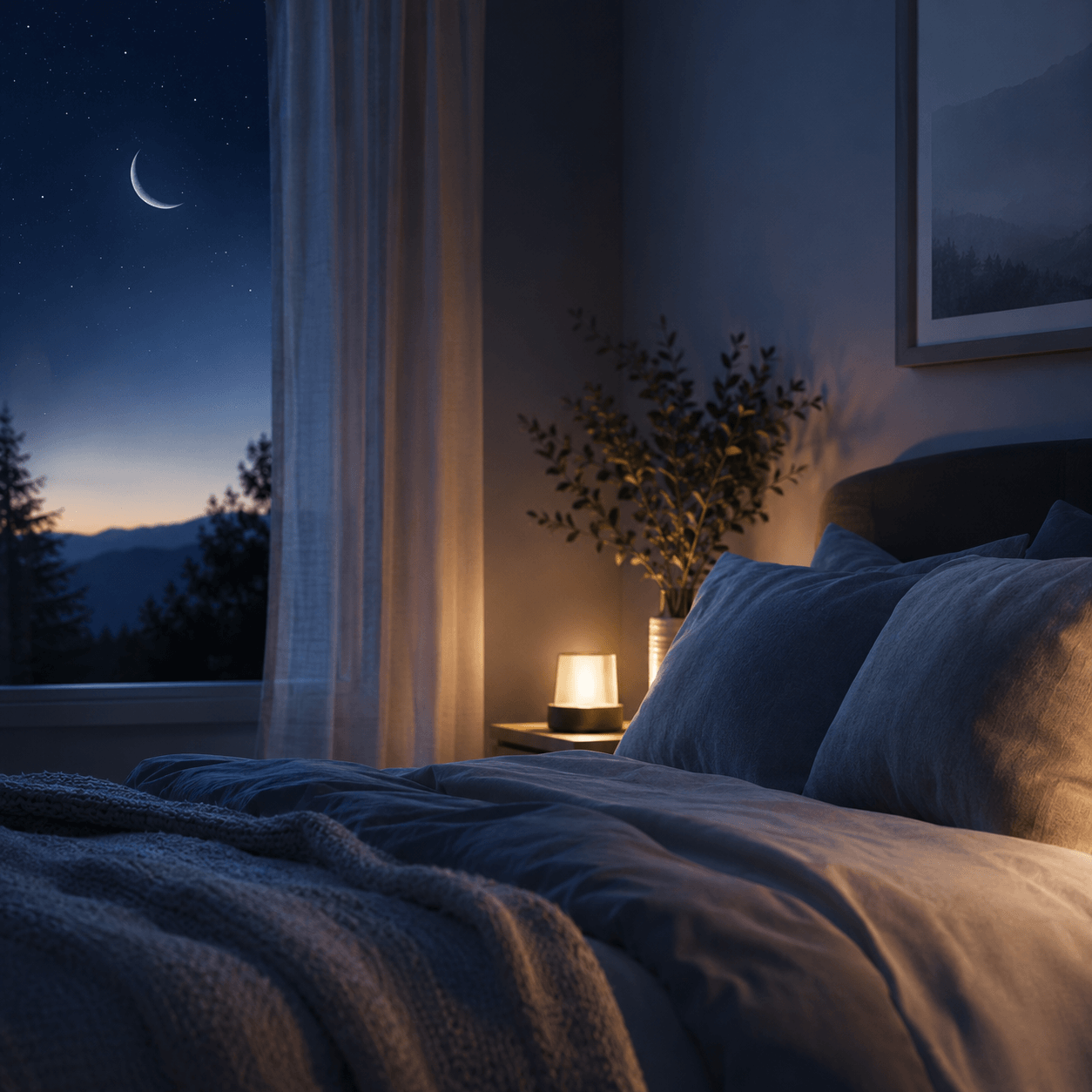
In today’s fast-paced world, many people focus on productivity, fitness, nutrition, and personal goals, but often overlook one of the most important pillars of overall well-being: quality rest. While every individual has different routines and schedules, making time to unwind and recharge can have a positive impact on both body and mind.
Rest is about more than simply spending time in bed. It includes creating moments throughout the day to slow down, disconnect from constant stimulation, and allow the body and mind to recover from daily demands. Developing healthy evening habits and prioritizing relaxation can support a more balanced lifestyle.
The Difference Between Rest and Sleep
Although the terms are often used interchangeably, rest and sleep are not exactly the same. Sleep is a natural biological process, while rest can include many different activities that help the body and mind recharge.
Examples of restful activities include:
- Reading a book
- Listening to calming music
- Taking a quiet walk
- Practicing mindfulness
- Enjoying a warm beverage
- Reducing screen time before bed
- Spending time in a peaceful environment
By incorporating moments of relaxation into daily routines, many people find it easier to transition from busy schedules to quieter evenings.
Why Evening Routines Matter
The way people spend the final hour before bedtime can influence how relaxed they feel. Many wellness experts recommend creating a predictable evening routine that signals to the body it’s time to wind down.
Simple habits may include:
- Turning off bright electronic devices
- Lowering household lighting
- Organizing tasks for the next day
- Taking a warm shower
- Stretching gently
- Reading instead of scrolling social media
Consistency often plays an important role. Repeating similar activities each evening can help establish a familiar pattern that supports relaxation.
The Modern Challenge of Constant Connectivity
Technology has transformed daily life, but it has also introduced constant notifications, emails, and entertainment that make it difficult for many people to disconnect.
Phones, tablets, and televisions can keep the brain engaged long after the workday ends. For this reason, many individuals choose to create technology-free periods before bedtime.
Even setting devices aside for thirty minutes before going to sleep can create a calmer atmosphere and encourage a smoother transition into the evening.
Creating a Comfortable Environment
The environment where people relax can have a significant effect on overall comfort.
Many choose to improve their surroundings by focusing on:
- Soft lighting
- Comfortable bedding
- Clean and organized spaces
- Pleasant room temperatures
- Quiet environments
- Minimal distractions
Small adjustments often contribute to a more inviting space that encourages relaxation.
Managing Daily Stress
Busy schedules naturally create stress from time to time. While occasional stress is normal, building healthy coping strategies can help individuals maintain balance.
Popular relaxation techniques include:
- Deep breathing exercises
- Meditation
- Journaling
- Gentle yoga
- Listening to nature sounds
- Spending time outdoors
Many people discover that even five or ten minutes of intentional relaxation can help them feel more centered after a demanding day.
Building Healthy Habits Over Time
Improving rest does not require dramatic lifestyle changes overnight. Instead, many experts recommend making gradual adjustments that become sustainable habits.
Some practical ideas include:
- Going to bed at consistent times
- Creating a relaxing evening routine
- Limiting unnecessary late-night stimulation
- Staying hydrated throughout the day
- Maintaining an organized sleeping environment
These habits can become easier to maintain through repetition and consistency.
The Importance of Balance
Wellness is often about finding balance rather than perfection. Work, family responsibilities, hobbies, and personal goals all compete for attention, making it important to schedule moments for recovery.
Many successful professionals intentionally create boundaries between work and personal time, allowing themselves opportunities to relax before beginning another busy day.
Finding activities that encourage calmness and enjoyment can become an important part of maintaining long-term well-being.
Wellness Trends Supporting Relaxation
Modern wellness trends increasingly emphasize mindfulness and recovery instead of constant productivity.
People are exploring activities such as:
- Guided meditation
- Sound therapy
- Digital detox routines
- Evening reading habits
- Aromatherapy
- Light stretching sessions
These practices often encourage people to slow down and pay attention to how they feel, creating opportunities to develop healthier daily rhythms.
Personalizing Your Routine
Every person has unique preferences, which means there is no single ideal evening routine.
Some individuals enjoy quiet music and reading, while others prefer spending time with family or taking an evening walk. The key is identifying activities that feel calming and sustainable.
Experimenting with different habits can help people discover routines that naturally fit into their lifestyles.
Final Thoughts
Quality rest plays an important role in maintaining a balanced and healthy lifestyle. By creating intentional moments to unwind, reducing unnecessary distractions, and building simple evening routines, many people can create an environment that supports greater comfort and relaxation.
Rather than focusing on perfection, small consistent improvements often produce the most meaningful long-term results. Whether through reading, mindfulness, or simply enjoying a peaceful evening, making time for rest is an investment in overall well-being that can benefit everyday life.